Global Nutrition Crisis
Can SDG3 “Good Health and Well-Being” be achieved?
Delivering scientifically grounded healthy food to society
while considering Japan’s food culture and health challenges.
The Department of Food, Nutrition and Health aims to address Japan’s dietary culture and health challenges while delivering evidence-based knowledge to society. Centered on collaboration with companies and organizations, the department provides “an open platform for learning and practice” accessible to everyone through graduate school education, collaborative research, and public lecture series. This department is a social cooperation program with Ajinomoto Co., Inc. and Meiji Co., Ltd.

To make use of knowledge about Japanese food culture and food environment development in global nutrition policy, we aim to realize a healthy society grounded in scientific evidence, with international communication and collaboration in view.
ProfessorNaoko Yamamoto
Graduate School of International University
of Health and Welfare

While highlighting the healthful aspects of the Japanese diet and addressing its weaknesses, we will contribute to the further extension of Japan’s world-leading healthy life expectancy. As a department that serves as a ‘bridge’ connecting scientific evidence to society, we aim for practical outcomes. We welcome the participation of young researchers.
ProfessorShoichiro Tsugane
Graduate School of International University
of Health and Welfare

How can Japan’s food environment contribute to addressing global NCD challenges? Together with diverse stakeholders, we will co-create pathways to solutions.
Specially Appointed ProfessorShuhei Nomura
Graduate School of International University
of Health and Welfare
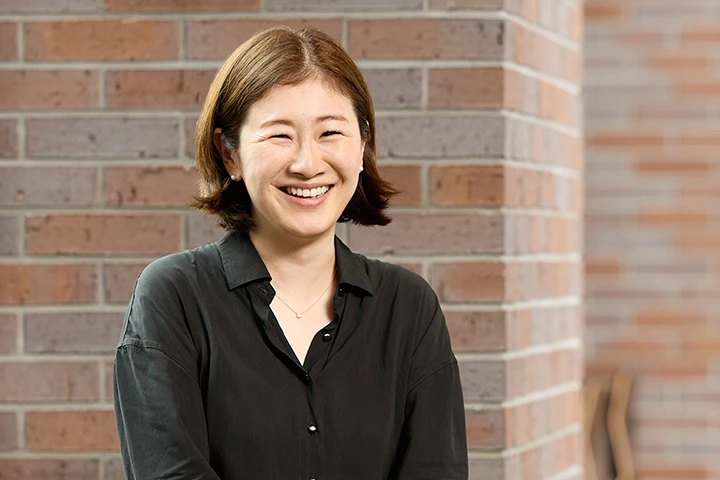
Bringing the value of the Japanese diet to the world. Through nutritional epidemiology, we seek to uncover and share scientific evidence that connects the joy of eating with healthy living, shaping a future where people can live longer, healthier lives.
Specially Appointed Associate ProfessorNagisa Mori
Graduate School of International University
of Health and Welfare
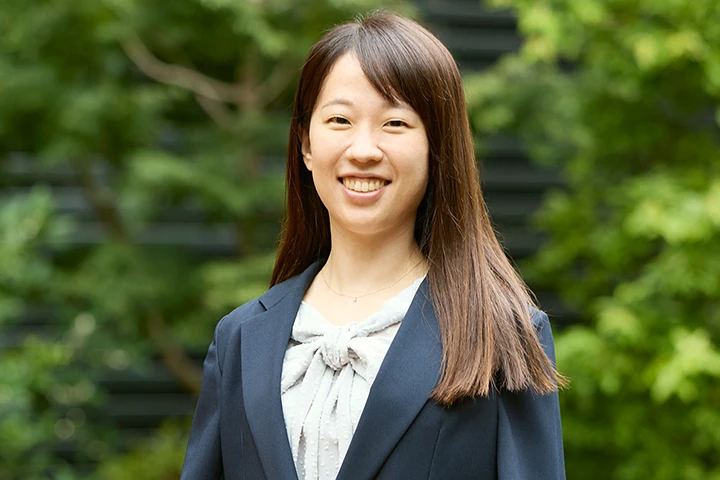
What constitutes “a healthy diet for Japanese people”? We aim to clarify this through systematic reviews and meta-analyses of accumulated evidence, while also conducting research to address remaining evidence gaps and contribute our findings to society.
Specially Appointed Assistant ProfessorMarina Yamagishi
Graduate School of International University
of Health and Welfare
Can SDG3 “Good Health and Well-Being” be achieved?
Can SDG3 “Good Health and Well-Being” be achieved?

Worldwide, the triple burden of malnutrition — chronic hunger, micronutrient deficiencies, and overnutrition — is expanding. In developing countries, lifestyle-related diseases are also increasing rapidly, while climate change, resource scarcity, and geopolitical risks are destabilizing food supplies. As the global population continue to grow, improving nutrition while ensuring sustainable food systems has become an urgent global challenge.
Is the Japanese Diet Truly Healthy? What Does the Future Hold?
Is the Japanese Diet Truly Healthy? What Does the Future Hold?
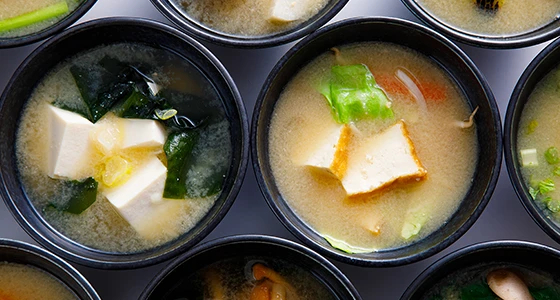
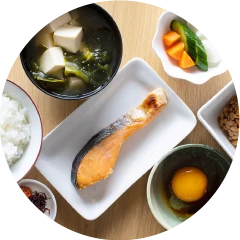
The Japanese diet, with its diversity of ingredients, appropriate energy intake, and use of fermented foods, has the potential to help address global nutrition challenges from both health and sustainability perspectives. Yet domestically, problems such as excessive salt intake, calcium deficiency, and undernutrition among older adults and young women remain, along with health issues including cancer, stroke, and frailty.
Can the value of the Japanese diet be recognized globally?
Can the value of the Japanese diet be recognized globally?
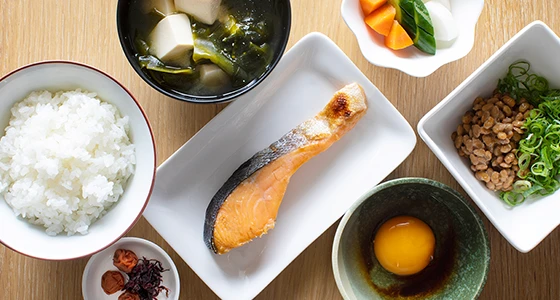
The value of the Japanese diet has not been sufficiently evaluated through scientific research, nor has it been systematically communicated to the international community. As a result, despite growing interest and recognition abroad, efforts to reflect Japan’s unique knowledge in global nutrition policies and healthy dietary guidelines have lagged behind.
The need for evidence-based clarification
~The need for evidence-based clarification

In Western countries, “healthy diet” models have been developed through government-industry-academia collaboration, focused mainly on tackling obesity and ischemic heart disease. These emphasize energy intake, saturated fats, and red/processed meat, while encouraging whole grains, nuts, and other plant foods. However, in Japan, the prevalence of obesity and ischemic heart disease is relatively low. Instead, issues such as being underweight, stroke, and calcium deficiency are more pressing, highlighting the limitations of directly applying Western standards.
To address these challenges, this course was establish to promote the appropriate evaluation of the Japanese diet, build a strong scientific evidence base, and communicate its value to the world. Guided by WHO’s principles of adequacy, balance, moderation, and diversity, we will explore what constitutes healthy dietary patterns rooted in Japanese food culture.
Through evidence building, development of evaluation indicators, and fostering the next generation of researchers, we will maximize the potential of Japanese food and nutrition, aiming to realize a healthy longevity society and a sustainable food environment.

Build evidence to address nutrition challenges associated with Japanese dietary habits (e.g., excessive salt, calcium deficiency).
Examine evidence-based approaches to define a “healthy diet” that respects Japanese dietary culture and contributes to solving national health issues.
Explore effective and efficient methods to implement evidence-based healthy eating practices in society.
Provide systematic lectures on Nutritional Epidemiology / Public Health Nutrition (15 sessions, 2 credits) and research guidance within the Graduate School of Public Health.
Foster young researchers by welcoming faculty members, graduate students and research fellows..
Offer the public lecture series for working professionals, “Nogizaka School,” exploring the future of Japan’s nutrition strategy through dialogue and co-creation among government, industry, academia, communities, including the Japan Dietetic Association.
Collaborate with diverse stakeholders such as Ajinomoto Co., Inc., Meiji Co., Ltd., and the Japan Dietetic Association.
Engage in advocacy to enhance understanding of Japan’s nutrition challenges and drive change through policy proposals and public outreach.
Provide a platform for dialogue and collaborative networking on food, nutrition, and health.

Copyright ©International University of Health and Welfare